Lee Welch previously shared with me about her version of Mr Collins. Today she was gracious enough to share about her writing process. [Read to the end for a chance to win a copy of Mr Collins in Love]
Your day job is also as a writer. How do you switch from “Work Lee” to “Writer Lee”? Does the day job help or hinder your writing?
My day job pays the bills, which gives me the freedom to write what I want, such as a book where Mr Collins is the hero. Mr Collins in Love will never be a bestseller because too many readers only want handsome heroes with abs and sexy banter. Of course, I LOVE it when one of my books sells well, but paying my mortgage isn’t dependent on that, and that’s a great place to be as a writer.
Amen, what a relief. Are you a plotter or a pantser? How did you adjust your usual style to write Mr Collins in Love?
I’m a bit of both. I plot many things. This involves me doing a bunch of research then lying on the sofa for weeks, apparently staring into space. BUT I find too much plotting to be fatal because then I know everything and can’t bring myself to write the story. I need certain goalposts to be fixed in position but some things left unknown; then I start to write.
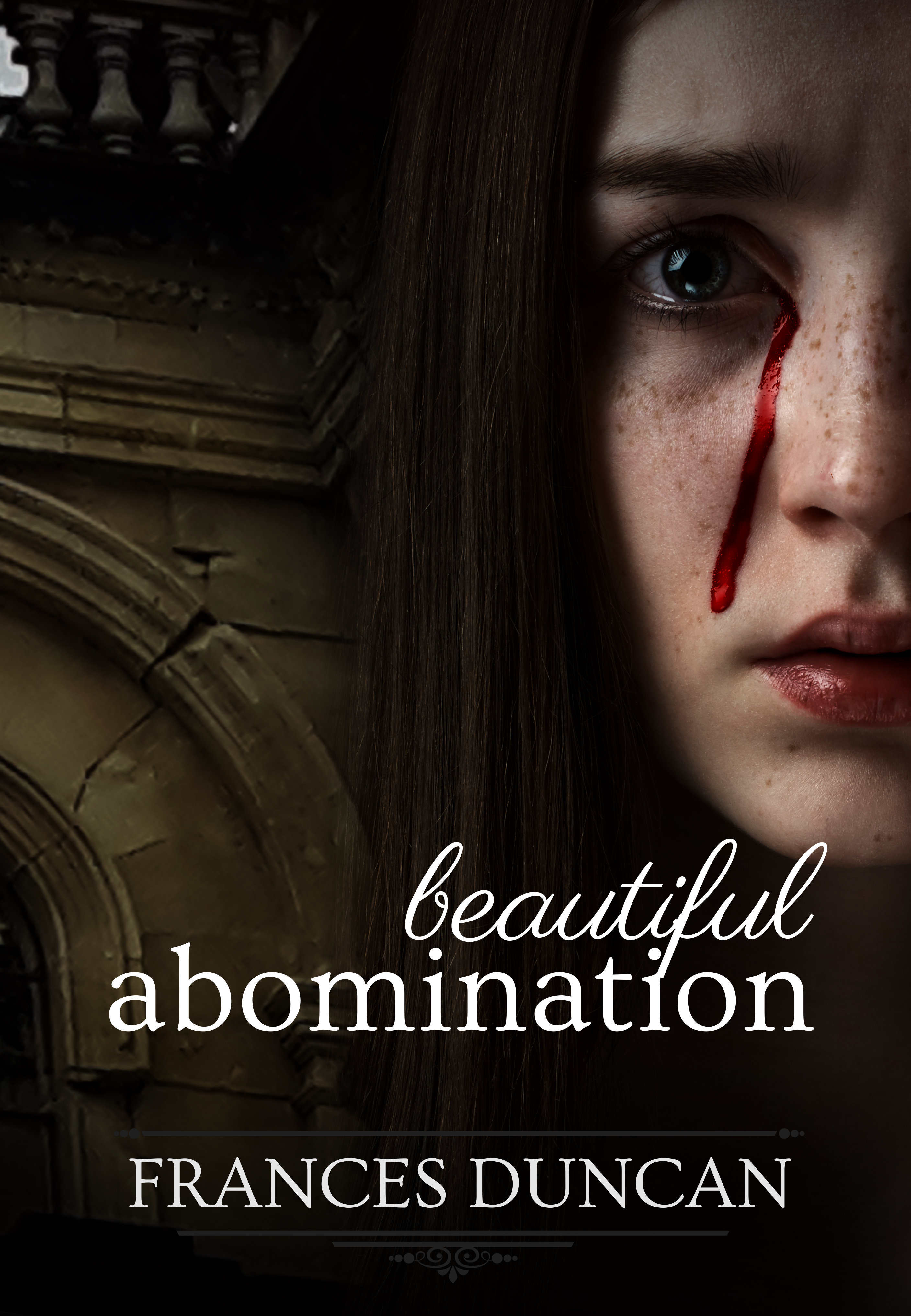
I’m not sure I have a usual style, because I’ve written four very different books (for example, one contemporary, and one fantasy romance set in alt-Victorian England). Style, for me, is all about character. How does this character think? What metaphors might occur to them? What might they notice/not notice? I certainly read a lot of period material to get the language in Mr Collins in Love right, as well as studying how he speaks in Pride and Prejudice.
What is your editing process? Was it different for Mr Collins in Love?
I tend to follow the same process for all books and Mr Collins was no different. I write. The next day, I read over what I wrote the day before and edit it. Then I write on. From time to time, I read from the beginning to check the various story arcs feel right. When I’ve finished the first draft of the complete manuscript, I leave it for a few days, then print it out or send it to a tablet – anything so long as it’s different to the laptop I write on so I can get as much objectivity as possible. Then I read it through, making notes about things I need to fix. I’m quite a good editor of my own work; I can be ruthless if I see something doesn’t serve the story. Then I work on the second draft, often adding words to round out characters and situations. I might do a few passes and new draft versions. Once I’m happy that it’s as good as I can make it, I send it out for beta reading. I have a few trusted readers and find it’s good to make them as diverse as possible as they notice different things. Then I rewrite based on their feedback, and, finally, the book is ready for my editor.
What was it like finding out Mr Collins in Love was in the New York Times Top Ten Romance for 2025?
Oh wow it was fantastic! It’s such an accolade! I raced down the hall to tell my family, and then raced back to dance around the living room. Then I rushed out for champagne.
Being a writer is damn hard. It’s not well-paid, often lonely and tech bros steal our books to train their hateful AI slop machines. If I get a win, I’m celebrating!
Oooh yes, I saw your website post about the AI and have been stung myself.
All your works are set in different “worlds”. How much research / world building do you do prior to writing?
Typically I do about three months of research before writing, but it can be more, and I generally continue to research while I’m writing. It’s really important to me that the world of the story feels real, whether it’s a fantasy world, our contemporary world, or a historical one.
I discard most of what I learn because it doesn’t serve the story, but research is never wasted because it allows me to write with confidence and I think that helps readers feel ‘safe’ with me as a writer. For example, they don’t know how many notes I made on Regency gardening when I was writing Mr Collins in Love, they just know the descriptions of his garden ‘feel right’ or they don’t consciously notice them at all because they feel seamless. That’s what I’m aiming for with all this research and world-building – to put together something the reader barely notices because they simply accept it as ‘right’.
Thank you for your time and sharing your process with us, Lee! I really enjoyed this novella and recommend interested readers purchase it from Amazon or most other online bookstores (print available from Amazon, audiobook also available).
If you’d like to win a free ebook of Mr Collins in Love, please email Lee at leewelchwriter@gmail.com before the end of February 2026 with the subject “JASANZ entry for Mr Collins ebook”.
For more info on Mr Collins in Love and Lee’s other books please visit https://leewelchwriter.com/



 Yeah that one.
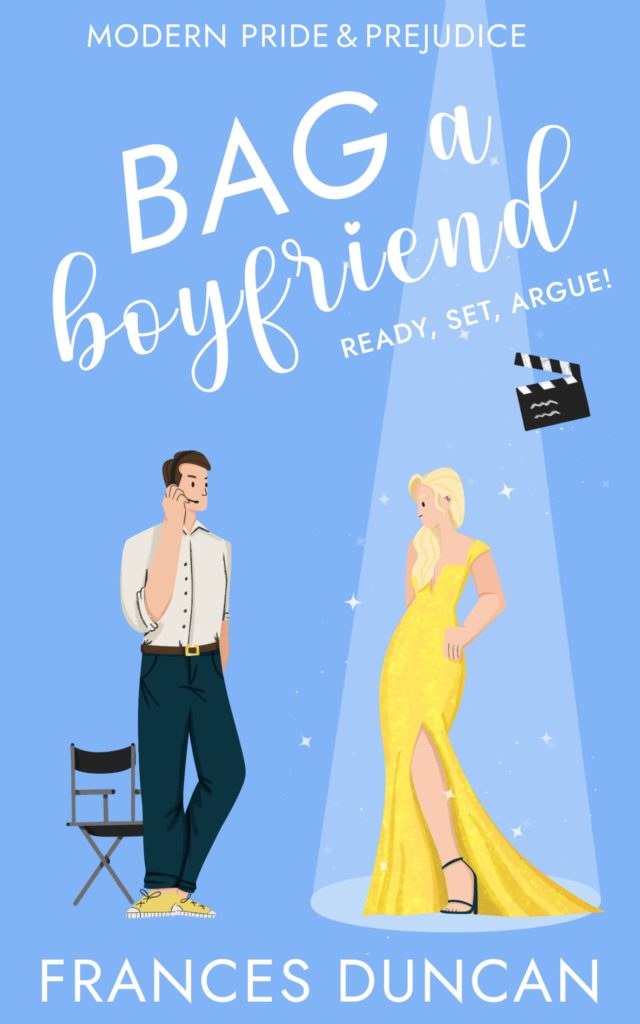
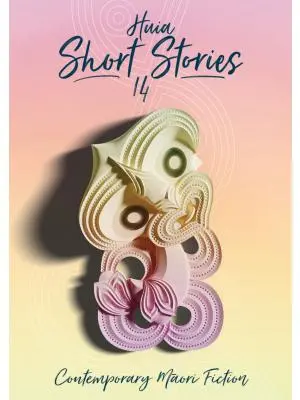
 There’s an old maxim to not judge a book by its cover. But let’s be honest, we do.